Independent design feature

Independent Canadian information; not an official developer page.

Restore a city, then shape its atmosphere

Merge City - Decor Mansion by CSCMobi Studios brings merge puzzles beside city renovation and interior decorating. This independent feature interprets that premise in plain language: repairing shops, houses, and damaged areas can make progress feel visible, while decorating invites visitors to notice how a renewed space might take on its own mood. Exact implementation is best confirmed in the current listing and through personal play.

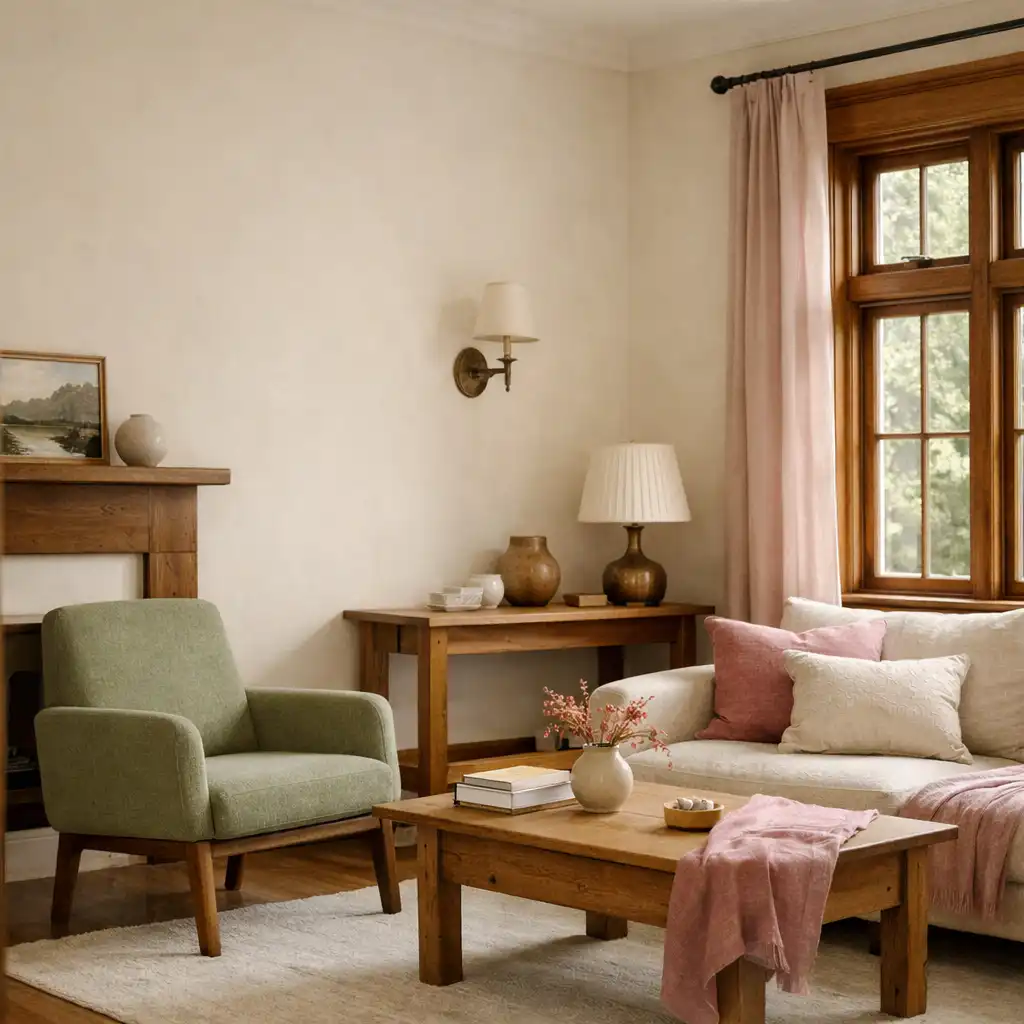
Bright renovated sitting room with cream walls, sage seating, oak details, and soft daylight
Editorial renovation study for this feature; it is not a verified game screenshot.
Restoration map

What changes in the city

City restoration is easiest to understand as a visual promise. Rather than treating every repaired place as a statistic, look for the way condition, purpose, and atmosphere can shift when a scene is brought back into order.

01 · Shops

Shops can move from worn to welcoming

Repairing shops is part of the stated city-restoration theme. A commercial space can be read as a before-and-after story through its overall condition: a tidier frontage, clearer focal point, or more settled atmosphere may suggest renewed purpose. That is an editorial way to look at a scene, not a claim about a particular shop type, owner, mission, or upgrade tier.

02 · Houses

Houses make restoration feel personal

Repairing houses can make a city-scale premise feel human-sized. Visitors can watch for broad cues such as a more coherent structure, a more inviting interior, or furnishings that help a place feel cared for. A repaired home may invite attention to proportion, texture, and atmosphere without requiring this page to invent residents, house names, or a specific story behind the space.

Needs workRestored

Damaged areas provide the strongest contrast

Visibly damaged areas make improvement legible. Repaired surfaces, clearer layouts, and a calmer overall scene can create a satisfying contrast because the viewer can understand what has changed at a glance. That is a general renovation observation rather than a promise of a fixed restoration sequence, completion mechanic, or exact visual outcome.

The official Google Play listing establishes the broad blend of merge puzzles, city renovation, and interior decorating. Treat this page as a guide to those themes, not a level-by-level database: exact places and task order should be checked in current official information and in play.

From needs work to renewed: an editorial comparison

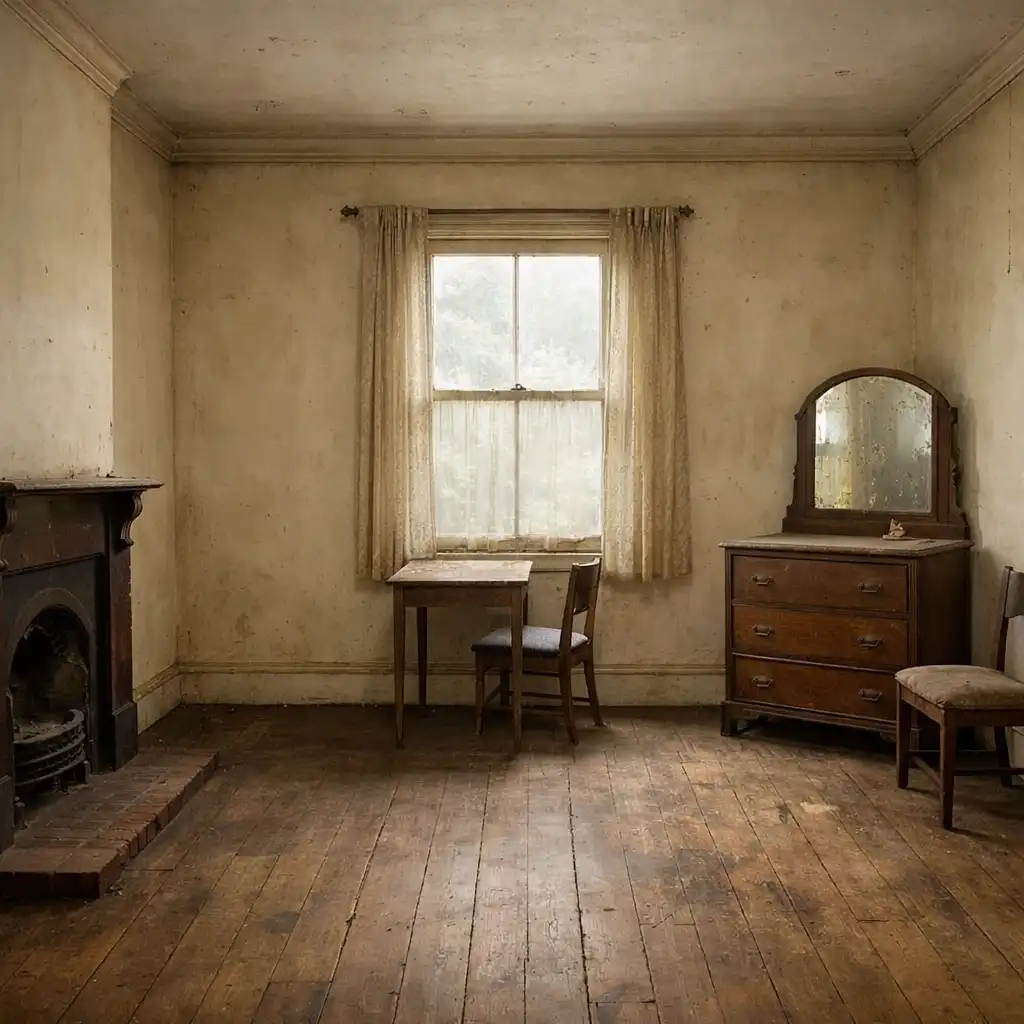
Before
Editorial study of a heritage interior before renovation with worn floor and faded walls

Read the room or street for its problems

Disorder, wear, or an unclear focal point can make a space feel unfinished. This paired photography is editorial illustration, not a verified in-game asset, but it offers a useful renovation-reading exercise: first notice the visual cues that establish a need for attention, then consider why a transformation may feel meaningful.

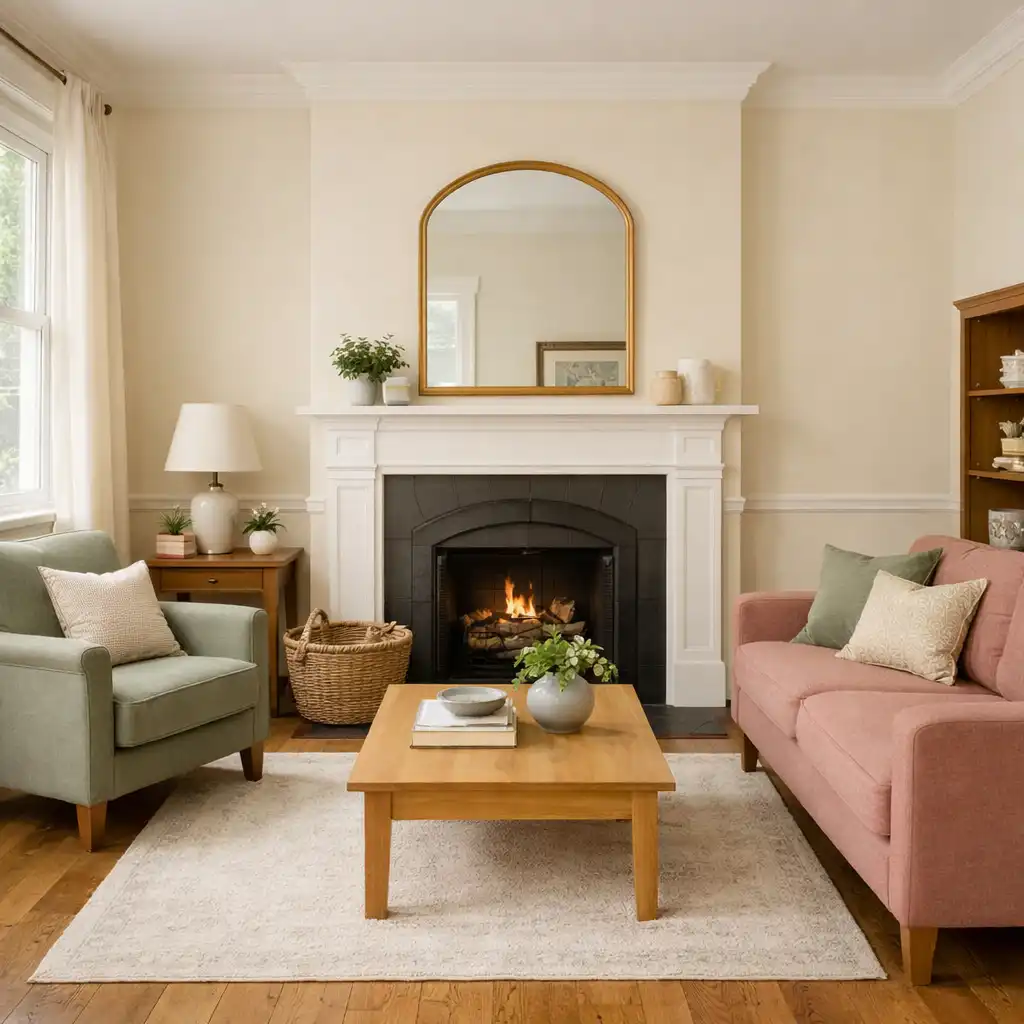
After
Editorial study of the same heritage interior after renovation with repaired floor and warm furnishings

See the same footprint with a clearer purpose

Repair and interior decisions can make a familiar footprint feel more useful and inviting through coherence, light, and a considered focal point. The example does not promise a fixed decorative result; it simply reflects the broad appeal of joining city renovation with interior decorating in a calm, balanced way.

Puzzle context

Where merge puzzles fit into a design-led loop

Merge City - Decor Mansion combines merge puzzles with renovation and interior decorating. At a high level, that pairing can make small puzzle decisions feel connected to a visible design objective: the puzzle side supplies a rhythm, while a renewed place gives that rhythm a concrete visual context. This is an accessible interpretation, not a documented step-by-step system.

Conceptual explanatory diagram
Puzzle-side progress
Another matching step
A renovation or décor moment

This diagram explains the page’s interpretation only; it is not a documented in-game sequence.

“Visible change can give an abstract puzzle moment a place-based reason to matter.”

For visitors drawn to casual, merge, decorating, or renovation games, that blend may be appealing because a place can look more resolved without the page needing to make claims about competition, difficulty, or a particular reward structure.

For current gameplay details, consult the official Google Play listing ↗. This feature focuses on the design meaning of the stated blend.

Design lens

Interior design as mood, not a fixed catalogue

Interior decorating is often easier to read through a room’s overall direction than through isolated objects. Colour, texture, proportion, and focal point can make a space feel intentional. That is a practical lens for considering the game’s decorating premise, not a claim that it uses named style systems, confirmed palettes, furniture brands, or particular room types.

Style lens

Soft and settled

Notice gentle colour relationships, comfortable-looking shapes, and a calm visual hierarchy. This is an editorial lens a visitor may use while observing decoration choices, not an official in-game style name.

Style lens

Crisp and practical

Look for clear function, uncluttered sightlines, and a few purposeful anchors rather than many competing details. The point is to distinguish a visual direction, not to assert that a particular minimalist option exists.

Style lens

Warm and layered

Character returns in the details. Paired textures and small accents can suggest that a repaired space has regained personality. Read this as an interpretive example of visual variety, not a claim about collectible décor categories.

What this page cannot confirm: available design choices, interiors, and unlock conditions should not be assumed from a broad theme description. Inspect the current official listing and the game itself for the present catalogue; this editorial moodboard is not evidence of specific in-game content.

Expectation setting

Unlockable design content: how to set expectations

Treat unlocks as added design possibility, not a published inventory. The decorating appeal can involve gaining access to more of the design experience over time, but this page does not claim a fixed list, quantity, or trigger for unlockable content. The term can suggest change and discovery without confirming currencies, chapters, timers, purchases, or any particular progression system.

01

Watch for meaningful change

Evaluate design content by whether it changes a space’s overall feel, creates a clearer restoration payoff, or expands visual variety—not simply by the number of objects shown. That is a personal evaluation lens for design-focused casual players, not a mechanic claim or score.

02

Check whether choices feel legible

When inspecting current presentation, notice whether decorative differences are easy to distinguish in colour, silhouette, and mood. This does not assume branching choices or accessibility settings; it simply helps a visitor judge whether visual information feels clear enough for their own taste.

03

Confirm current details at the source

Inspect the current Google Play listing ↗ before deciding to install. Its screenshots and description can be more informative than a generic promise of unlocks when you want to understand present-day content.
Personal-fit guide

A practical viewing checklist for design-minded players

These prompts support a personal-fit decision rather than a score. Use them while reviewing current official information or considering whether the game’s visual premise matches the kind of casual experience you enjoy.

01

Do repaired spaces show a clear visual payoff?

Look for a meaningful contrast between a place needing attention and one that feels renewed. Whether the theme is shops, houses, or damaged areas, visible contrast can help a renovation premise feel purposeful.

Why it helps: it reveals whether improvement is easy for you to notice and enjoy.

02

Does decorating feel connected to the place?

Consider whether décor appears to support a room or area’s atmosphere rather than reading as disconnected decoration. This is about visual coherence, not a claim that every object can be freely placed.

Why it helps: it helps you judge whether the design side feels grounded in its setting.

03

Is the merge-and-renovate blend the pace you want?

Ask whether you enjoy puzzle progress that leads toward visible restoration context, rather than choosing solely for puzzles or solely for decorating. Preferences differ, and the blend is the central stated premise.

Why it helps: it keeps your decision focused on the combination the game presents.

04

Can you tell design differences apart at a glance?

Inspect screenshots and current presentation for legible differences in mood, layout, and visual focus. The official listing ↗ is the appropriate place to inspect what is currently shown.

Why it helps: a clearer visual read supports a more informed install decision.

05

Are you comfortable exploring an independent review first?

This page offers editorial context, not official confirmation. Use it to frame what you see, then let the official Google Play listing inform your final view-or-install decision with reassuring, current information.

Why it helps: it keeps the source boundary clear while you decide.

Balanced design verdict

A visual premise worth inspecting if you enjoy progress you can see

“The stated blend may suit visitors who like seeing places move toward a more finished look.” Merge puzzles, city renovation, and interior decorating create a premise that may appeal to people drawn to visible renewal. This is not a score or an award: it is a measured reason to inspect the current presentation closely before deciding whether the game suits your interests.

Independent view

This premise may suit you if…

  • You enjoy merge games and like puzzle progress to have a visible place-based context.
  • You are interested in renovation themes involving shops, houses, and damaged areas rather than abstract objectives alone.
  • You value an interior-decorating visual payoff and want to see how a space’s atmosphere can become more resolved.
Check first

Look more closely first if…

  • You need detailed mechanics beyond the broad merge, renovation, and decorating premise.
  • You are looking for a specific decorating catalogue or a confirmed set of design options.
  • You want to verify current presentation before installing; the official listing is the appropriate source.
Source note

Source note and independent context

This editorial page uses the official Google Play listing for Merge City - Decor Mansion by CSCMobi Studios as its factual reference and discusses its stated merge, renovation, and decorating premise in original language. The listing is not treated as exhaustive, and this page does not cite unavailable dates, screenshots, or undocumented game systems.

mergecitymansion is an independent informational review website. It is not the developer and is not an official game destination; this short disclosure provides context without replacing the site’s shared legal information.

Current source

See Merge City - Decor Mansion on Google Play

View the current official Google Play listing for Merge City - Decor Mansion by CSCMobi Studios, inspect the available information, and choose whether to install. This external listing is the right place to confirm current presentation before making a decision.

View on Google Play ↗ Opens the Google Play listing in a new tab.